
Essential Espresso Machine Parts Explained
Understanding the key components of an espresso machine is crucial for both beginners and seasoned baristas. Here are the essential parts:
- Boiler: The heart of the machine, it heats the water to the required temperature for brewing.
- Pump: This component generates the pressure needed to force hot water through the coffee grounds.
- Group Head: The part where the coffee grounds are placed and water is dispensed over them.
- Portafilter: A handle with a basket that holds the coffee grounds during brewing.
- Steam Wand: Used for frothing milk and creating creamy textures for lattes and cappuccinos.
-
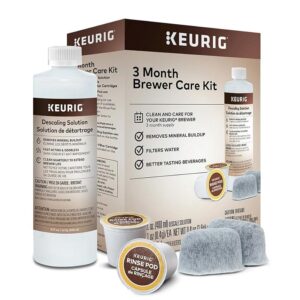
My Thoughts on the Keurig 3-Month Maintenance Kit: Is It Effective?
-
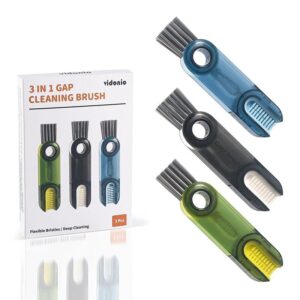
My Thoughts on the 3 in 1 Cup Lid Gap Cleaning Brush Set: A Must-Have?
-
My Thoughts on CAPMESSO Coffee Filters 300: Are They Any Good?

-
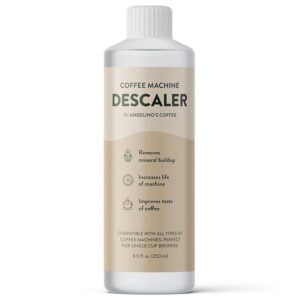
Universal Coffee Descaler Review: My Thoughts on Its 2 Uses
-
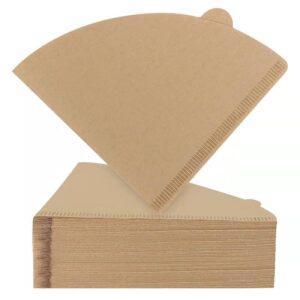
My Honest Review of 200 Count Unbleached Coffee Filters: Are They Worth It?
-
Quick & Clean Keurig Cleaning Pods Pack: My Honest Review

-
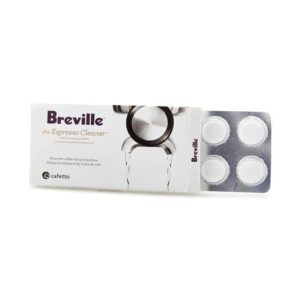
My Experience with Espresso Cleaning Tablets 8-Pack: A Must-Have?
-
My Take on Amazon Basics Coffee Filters: Are They a Good Buy?

-
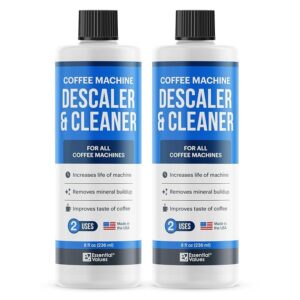
Essential Values Descaling Solution Review: 4 Uses for Your Coffee Makers
Top Accessories for Your Espresso Setup
To enhance your espresso-making experience, consider adding these accessories to your setup:
- Coffee Grinder: A high-quality burr grinder ensures uniform coffee grounds for optimal extraction.
- Scale: A digital scale helps measure coffee and water accurately for consistent results.
- Tamper: Essential for compacting coffee grounds evenly in the portafilter.
- Knock Box: A convenient container for disposing of used coffee grounds.
- Milk Frother: If your machine doesn’t have a steam wand, a separate frother can be a great addition.
Common Espresso Machine Maintenance Tips
Regular maintenance is key to keeping your espresso machine in top working condition. Here are some tips:
- Clean the Group Head: Run water through the group head daily to remove coffee oils and residues.
- Descale Regularly: Use a descaling solution every few months to prevent calcium buildup.
- Check Gaskets: Inspect and replace gaskets periodically to ensure a proper seal and avoid leaks.
- Empty the Drip Tray: Keep the drip tray clean and empty to prevent overflow and mess.
- Maintain the Brew Temperature: Make sure the machine reaches the optimal brewing temperature before use.
How to Choose the Right Espresso Machine Parts
Selecting the right parts for your espresso machine can enhance performance and longevity. Consider the following:
- Compatibility: Ensure that replacement parts are compatible with your specific machine model.
- Quality: Opt for high-quality materials that can withstand heat and pressure.
- Brand Reputation: Choose parts from reputable brands known for their durability and performance.
- Price: While it’s tempting to go for cheaper options, investing in quality parts often pays off in the long run.
Troubleshooting Common Espresso Machine Issues
Even the best machines can encounter problems. Here’s how to troubleshoot common issues:
- Poor Extraction: Check the grind size, tamping pressure, and water temperature.
- Low Pressure: Inspect the pump and ensure that the water reservoir is full.
- Leaking Water: Look for worn gaskets or loose fittings that may need tightening or replacement.
- Steam Wand Not Frothing: Clean the steam wand to remove any milk residue that could block steam flow.
- Machine Won’t Turn On: Check the power supply and ensure the machine is plugged in properly.