
Best Coffee Alternatives for Energy Boost
If you’re looking for a way to increase your energy levels without relying on traditional coffee, there are several alternatives available. These options can provide a natural boost without the jitters often associated with caffeine. Here are some of the best coffee alternatives to consider:
- Green Tea: Contains caffeine but in lower amounts than coffee, plus it’s rich in antioxidants.
- Yerba Mate: A traditional South American drink known for enhancing energy and mental clarity.
- Chicory Root Coffee: Naturally caffeine-free and can be brewed to taste similar to coffee.
- Matcha: A powdered form of green tea that provides a gradual energy boost due to its unique combination of caffeine and L-theanine.
- Rooibos Tea: A caffeine-free herbal tea that is rich in antioxidants and has a naturally sweet flavor.
-
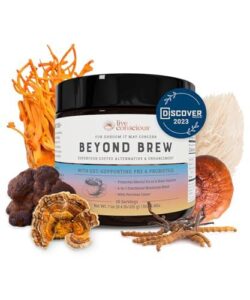
Beyond Brew Mushroom Coffee Review: A Healthy Alternative Worth Trying?
-
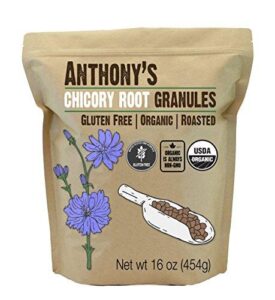
My Take on Anthony’s Organic Chicory Granules: Worth the Buy?
-
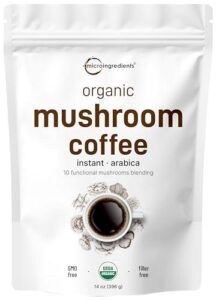
My Opinion on Organic Instant 10 in 1 Mushroom Coffee: Is It Effective?
-
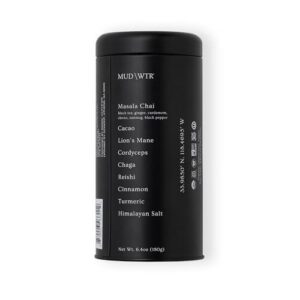
My Thoughts on MUDWTR Original Cacao Blend: Is It a Game Changer?
-
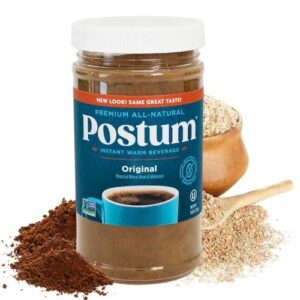
My Thoughts on Postum Cafe Sustituto: A Healthy Coffee Alternative
-
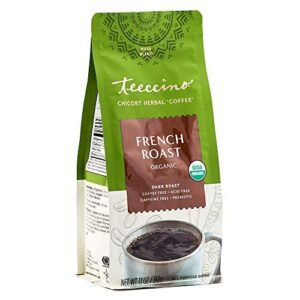
My Take on Teeccino French Roast Chicory Coffee: A Unique Alternative
-
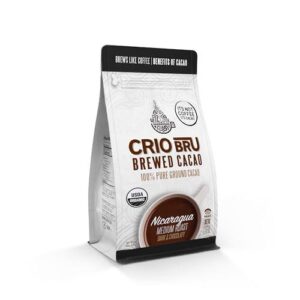
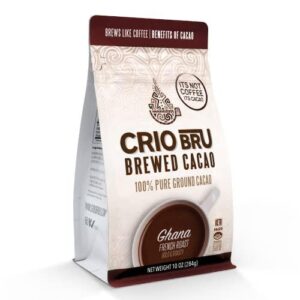
My Take on Crio Bru Brewed Cacao: A Healthy Coffee Alternative?
-
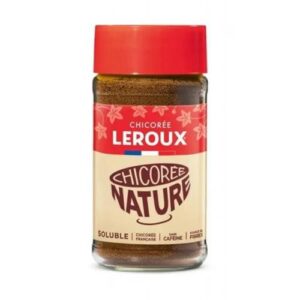
My Thoughts on Leroux Regular Instant Chicory: A Flavorful Choice?
-
My Take on Crio Bru Ghana French Roast: A Unique Cacao Beverage
Health Benefits of Coffee Substitutes
Switching from coffee to alternatives can offer numerous health benefits. Here are some advantages to consider:
- Reduced Anxiety: Many coffee substitutes have lower caffeine levels, which can help reduce anxiety and nervousness.
- Improved Digestion: Herbal options like chicory root can promote digestive health.
- Better Sleep Quality: Avoiding caffeine later in the day can lead to improved sleep patterns.
- Enhanced Nutrient Intake: Herbal teas and infusions often come with additional vitamins and minerals.
Popular Herbal and Natural Coffee Replacements
There are many herbal and natural options that can be used as coffee replacements. Some of the most popular include:
- Barley Coffee: Made from roasted barley, it has a nutty flavor and is caffeine-free.
- Beetroot Coffee: This vibrant alternative is rich in nutrients and offers a sweet, earthy flavor.
- Lucuma Powder: A Peruvian fruit powder that adds a sweet and caramel-like flavor to drinks.
- Carob Powder: Often used as a chocolate substitute, it’s caffeine-free and has a naturally sweet taste.
Easy Recipes for Homemade Coffee Alternatives
Making your own coffee alternatives at home is simple and allows you to control the ingredients. Here are a couple of easy recipes:
- Chicory Coffee:
- Ingredients: 2 tablespoons chicory root, 1 cup water.
- Instructions: Boil water and add chicory, simmer for 10 minutes, strain, and enjoy.
- Golden Milk Latte:
- Ingredients: 1 cup almond milk, 1 teaspoon turmeric, 1/2 teaspoon cinnamon, honey to taste.
- Instructions: Warm the milk, whisk in spices, sweeten if desired, and serve.
Comparing Taste: Coffee vs. Substitutes
Taste can vary significantly between coffee and its substitutes. Here’s a general comparison:
- Coffee: Rich, bold, and bitter with a complex flavor profile.
- Green Tea: Mild and slightly grassy, with a refreshing aftertaste.
- Yerba Mate: Earthy and herbal with a slightly bitter undertone.
- Chicory Coffee: Nutty and slightly sweet, resembling coffee but without the acidity.
- Beetroot Coffee: Sweet and earthy, with a vibrant color that can be visually appealing.
Ultimately, the choice of coffee alternative comes down to personal preference and health goals. Experimenting with these options can lead to discovering new flavors and benefits.