
Types of Coffee Makers Explained
Coffee makers come in various types, each designed to brew coffee in different ways. Understanding these types can help you choose the one that best suits your needs.
- Drip Coffee Makers: These are the most common household coffee makers. They work by heating water, which then drips through coffee grounds in a filter, producing a pot of coffee.
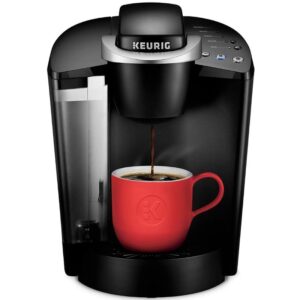
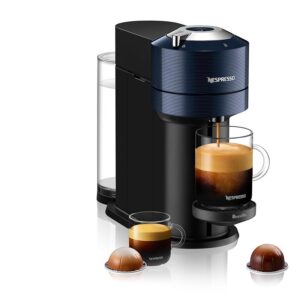
- Single-Serve Coffee Makers: These machines brew one cup of coffee at a time using coffee pods or capsules. They are convenient and reduce waste.
- Espresso Machines: Designed for making espresso, these machines force hot water through finely-ground coffee. They can be manual or automatic.
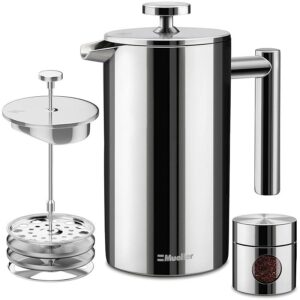
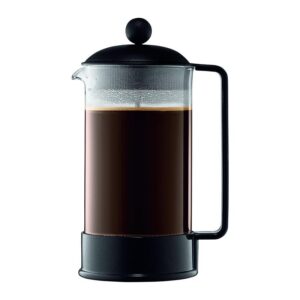
- French Press: This method involves steeping coffee grounds in hot water, then pressing down a plunger to separate the grounds from the brewed coffee.
- Coffee Percolators: These work by cycling boiling water through coffee grounds until the desired strength is achieved. They are less common today but still appreciated by some coffee enthusiasts.
-
My Take on the Keurig K-Classic Coffee Maker: Is It a Good Buy?
-
My Thoughts on the Mueller French Press 34oz: Is It Worth Buying?
-
My Take on the Nespresso Vertuo Next Coffee Maker: Is It Worth It?
-
Bodum 34 oz French Press Review: My Thoughts and Experience
-
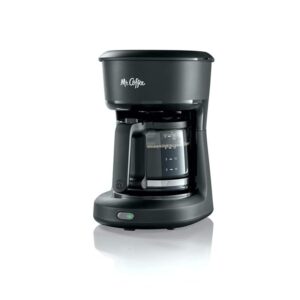
My Take on the Mr. Coffee Mini Cafe 5-Cup: A Worthy Brew?
-
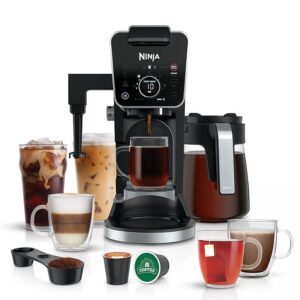
My Take on the Ninja DualBrew Coffee Maker: Is It a Game Changer?
-
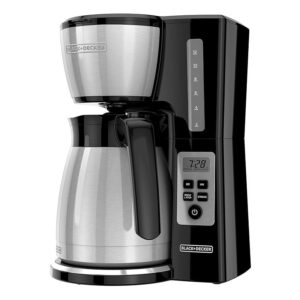
BLACK+DECKER 12-Cup Thermal Coffee Maker: My Honest Review
-
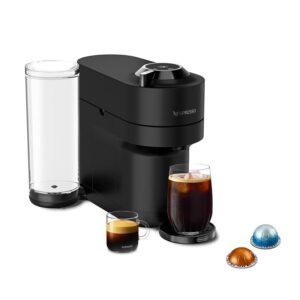
My Thoughts on the Nespresso Vertuo Pop+ Coffee Maker: Worth It?
-
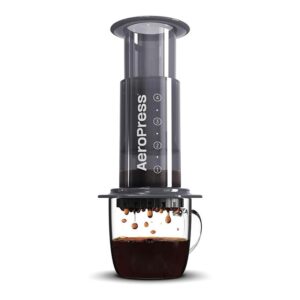
AeroPress Original Coffee Maker: My Thoughts on This Portable Gem
How to Choose the Best Coffee Maker
Selecting the right coffee maker can significantly enhance your coffee experience. Here are some factors to consider:
- Brewing Method: Consider the type of coffee you enjoy most. If you prefer espresso, an espresso machine is your best bet.
- Capacity: Think about how much coffee you typically brew at once. Single-serve machines are great for individuals, while drip makers work well for families.
- Price: Set a budget. Coffee makers can range from affordable to high-end, so it’s essential to find one that fits your financial plan.
- Features: Look for additional features like programmable settings, built-in grinders, or milk frothers based on your preferences.
Top Features to Look for in Coffee Machines
When shopping for a coffee maker, certain features can enhance your brewing experience:
- Programmable Settings: This allows you to set your coffee to brew at a specific time, ensuring you have fresh coffee when you wake up.
- Built-in Grinder: Freshly ground coffee beans can greatly improve the flavor of your coffee.
- Auto Shut-off: This safety feature turns off the machine after a set time, preventing accidents and saving energy.
- Adjustable Brew Strength: Some machines allow you to customize the strength of your coffee, catering to your taste preferences.
- Easy Cleanup: Look for machines with removable parts or dishwasher-safe components for hassle-free maintenance.
Best Coffee Makers for Home Use
Here are some popular choices among coffee lovers for home brewing:
- Breville BDC450 Precision Brewer: Known for its versatility and brew quality, this drip coffee maker allows for precise customization.
- Keurig K-Elite: A top single-serve coffee maker, ideal for convenience and speed.
- De’Longhi EC155 15 Bar Pump Espresso and Cappuccino Maker: A great choice for espresso lovers on a budget.
- French Press by Bodum: A classic choice that delivers rich flavor without any complicated machinery.
- Cuisinart DCC-3200P1 Perfectemp Coffee Maker: Offers programmable features and a large capacity, perfect for families.
Tips for Maintaining Your Coffee Maker
Proper maintenance can extend the life of your coffee maker and improve the taste of your coffee:
- Regular Cleaning: Clean your coffee maker after each use to prevent build-up of oils and residues.
- Descale Periodically: Use a vinegar solution or a descaling agent every few months to remove mineral deposits.
- Replace Filters: If your machine uses water filters, make sure to replace them according to the manufacturer’s instructions.
- Check for Wear and Tear: Regularly inspect the machine for any signs of damage or malfunction that might affect performance.
- Follow Manufacturer Guidelines: Always refer to the user manual for specific cleaning and maintenance instructions.